 By Gladies Rajan - January 26, 2026
.jpg)
Qatar
International Clean Energy Day is observed annually on January 26 to highlight the importance of transitioning from fossil fuels to renewable sources, such as solar, wind, and hydropower. It was established by the United Nations to support Sustainable Development Goal 7, which calls for affordable and clean energy for all. The day reminds the world that clean energy is key to fighting climate change, powering progress, and creating a healthier future.
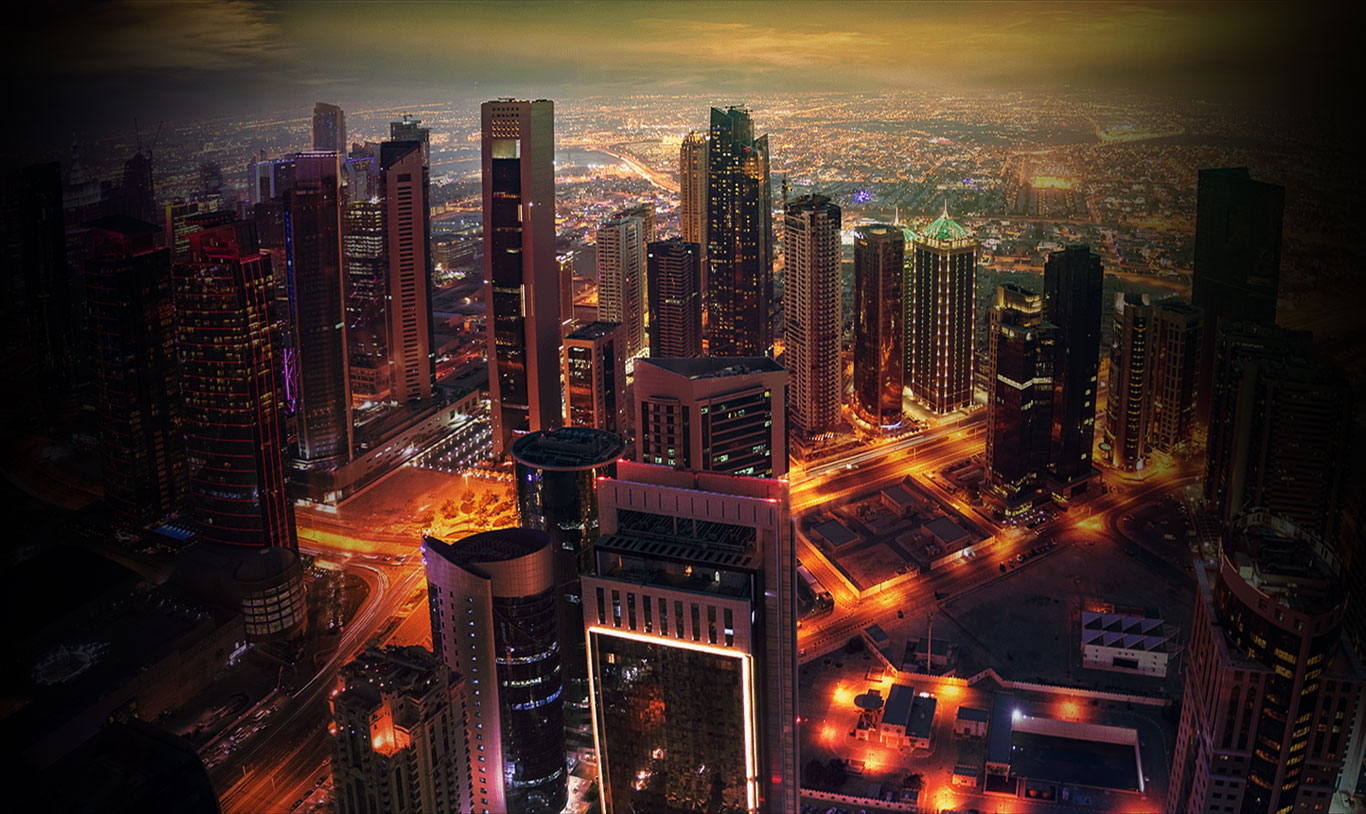
Qatar is reshaping its global energy identity by combining its leadership in liquified natural gas with bold investments in renewable energy, positioning itself as both a clean energy pioneer at home and a reliable supplier of lower-emission fuels abroad. In a world race to combat climate change, Qatar is turning its desert syn into a powerful tool for sustainability, moving beyond its role as the world’s largest LNG exporter to embrace renewable innovation.
The launch of the Qatar national Renewable Energy Strategy in 2024 marked a turning point, with solar irradiation levels exceeding 2,000 kWh/m2 annually and projects like the Al Kharsaah Solar Plant reshaping the nation’s energy landscape through smart grids, digital technologies, and large-scale solar facilities. At the same time, Qatar continues to lead globally in LNG exports, modernizing its shipping fleet with LNG-powered and low-sulphur fuel oil vessels to reduce emissions while ensuring reliable energy supplies for nations transitioning away from coal and oil.
This dual role as a renewable pioneer at home and a cleaner fuel supplier abroad underscores Qatar’s contribution to the global energy transition. The country has issued $ 2.5 billion in green bonds to fund renewable projects, invested € 2,427.6 million in RWE AG to accelerate renewable expansion in Europe, and pledged $ 1 billion in UK climate technology, while expanding its LNG fleet with more than 100 vessels from 2024 onward.
Education City research hubs are driving breakthroughs in sustainable technologies, linking academia with industry, and reinforcing Qatar’s ambition. As the nation advances toward its National Vision 2030, clean energy is no longer just a policy but a promise, with targets of 20% of electricity from renewables by 2030 and net-zero emissions by 2050.
By capturing the desert sun and exporting cleaner fuels, Qatar proves that a nation built on hydrocarbons can also lead the way in sustainability, showing that its energy future is not only about powering its own growth but also about helping the world breathe easier.
By Gladies Rajan - January 26, 2026.jpg)
Qatar Secures Place Among the World's Top 10 Wealthiest Nations
.jpg)
Hamad International Airport Witnesses Record Increase in Passenger Traffic
Saudi Arabia: Any visa holder can now perform Umrah

What are Qatar's Labour Laws on Annual Leave?



.jpg)


.jpg)
.jpg)
.jpg)
.jpg)
.jpg)
.jpg)



.jpg)


.jpg)
.png)
.jpg)











Leave a comment